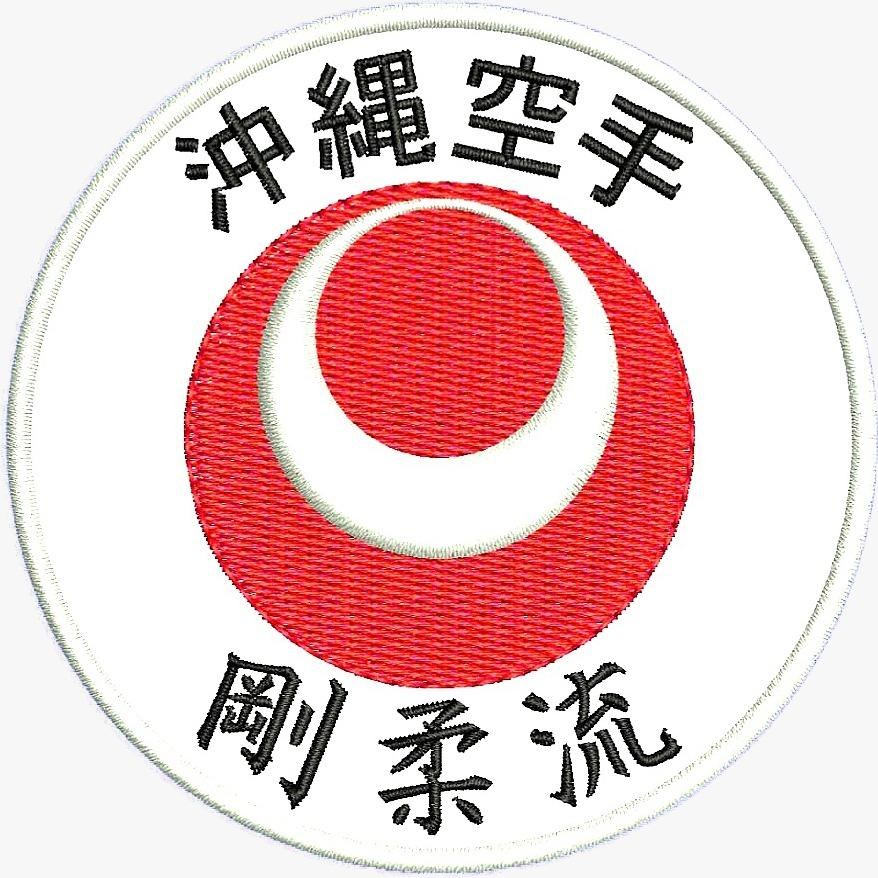
The Art of Goju-Ryu
Hard and Soft combined in perfect harmony — the essence of authentic Okinawan Karate-Do.
What is Gōjū-Ryū?
Gō (剛) means "Hard", representing stiffness and strength. Jū (柔) means "Soft", representing flexibility and fluid yield. Together they form a complete martial discipline.
Gō (Hard Principles)
Emphasizes closed-fist strikes, strong linear blocks, rooted stances (Sanchin-dachi), tension breath control, and formidable physical conditioning.
Jū (Soft Principles)
Focuses on open-palm deflections, circular wrist locks, joint manipulation, body evasion, and soft breathing patterns designed to redirect opponent force.
Ibuki (Breath Control)
Specialized abdominal breathing methods that unify body mechanics, generate maximum explosive kinetic energy, and strengthen internal stamina.
History & Legacy
Trace the historical journey from ancient Fujian White Crane Gongfu to modern Okinawan Goju-Ryu Karate-Do.
Master Kanryo Higaonna in Fuzhou
Sensei Kanryo Higaonna traveled to Fujian, China, spending over 14 years mastering Southern Chinese martial arts before returning to Naha, Okinawa to teach Naha-Te.
Chojun Miyagi Founds Goju-Ryu
Master Chojun Miyagi officially named the style "Gōjū-ryū", inspired by a line in the classical Bubishi text: "Ho Goju Donto" (The way of inhaling and exhaling is hardness and softness).
Official Dai Nippon Butokukai Recognition
Goju-Ryu became the first Okinawan Karate discipline officially registered and recognized by Japan's martial arts authority.